
Geographically positioned in the upper part of Tuscany, the Pistoia Mountains are a treasure of natural resources that for years coexisted with the population living there in a close integration between society and territory. A compact union, given by love for an environment that, for many years, was the only possible source of sustenance for the locals.
In a time not even so far away, the mountain flowed luxuriantly beyond the plain, fresh and fast like the streams that have watered entire villages. Wood was cut, iron and coal were worked, animals were raised. Today, very little remains of those cinemas, those shops, those factories and those clubs. The deurbanization process began already after the war in view of the enormous migratory flows which, combined with the advent of modern society, contributed to a progressive depopulation of mountain areas. Yet, in the Pistoia mountains, there are still those who resist. Of the path traced in the past, the compass has not yet been completely lost: of course, however, there are steps to be taken quickly in order not to get lost completely.
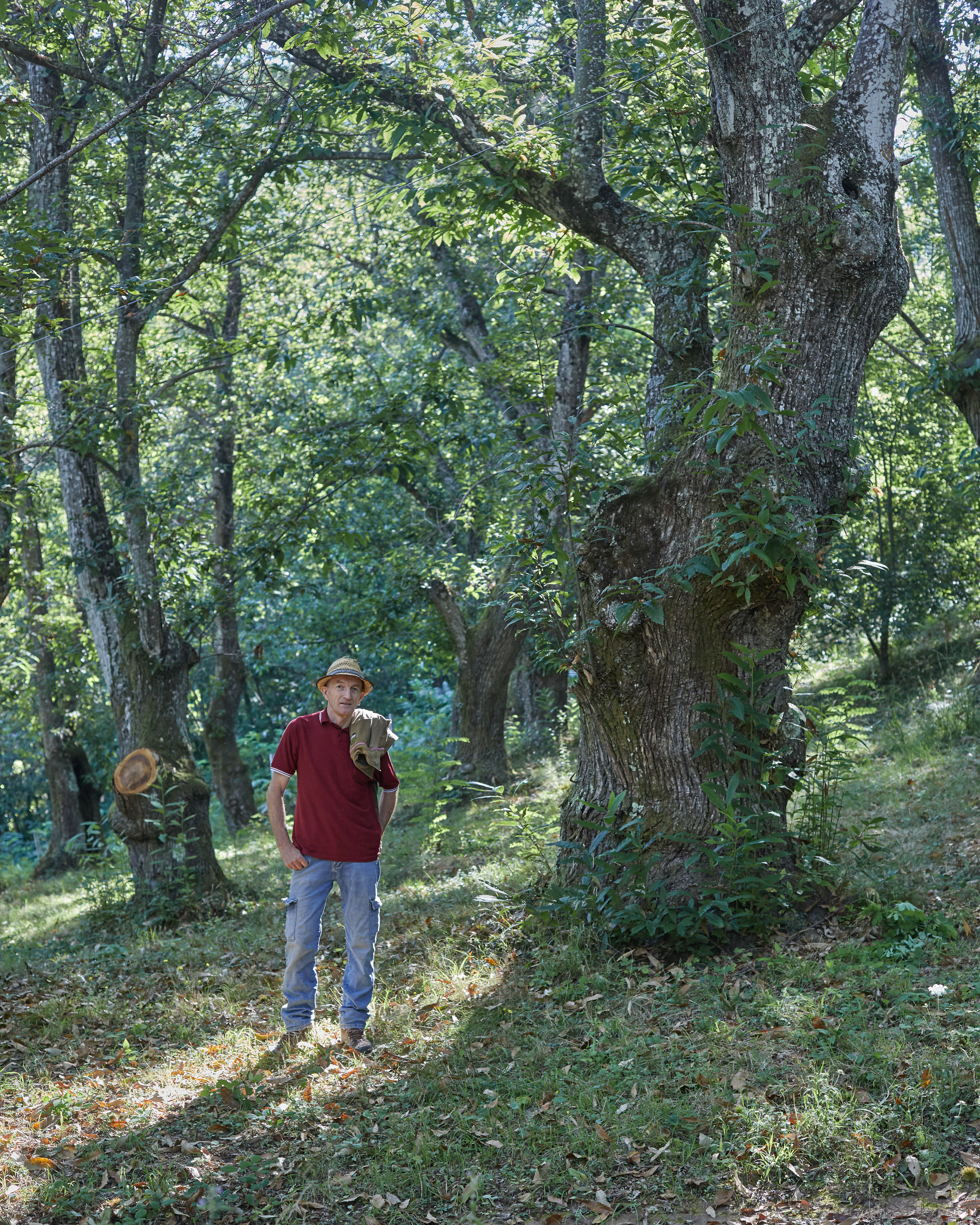
Ugo, member of the Chestnut Growers Association of Pistoia Mountains.
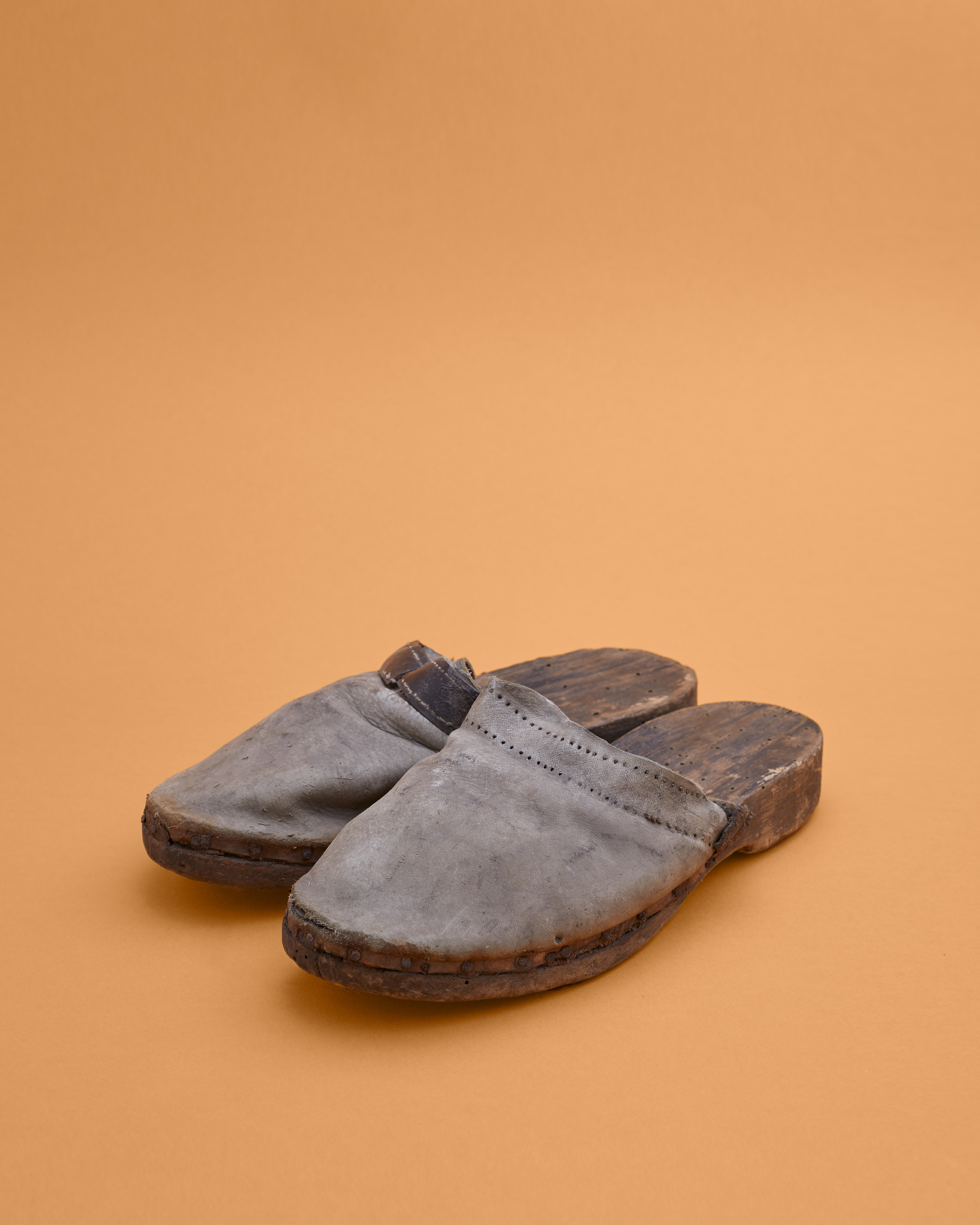
Pianelle: slippers that charcoal burners used to walk over the still hot coal.
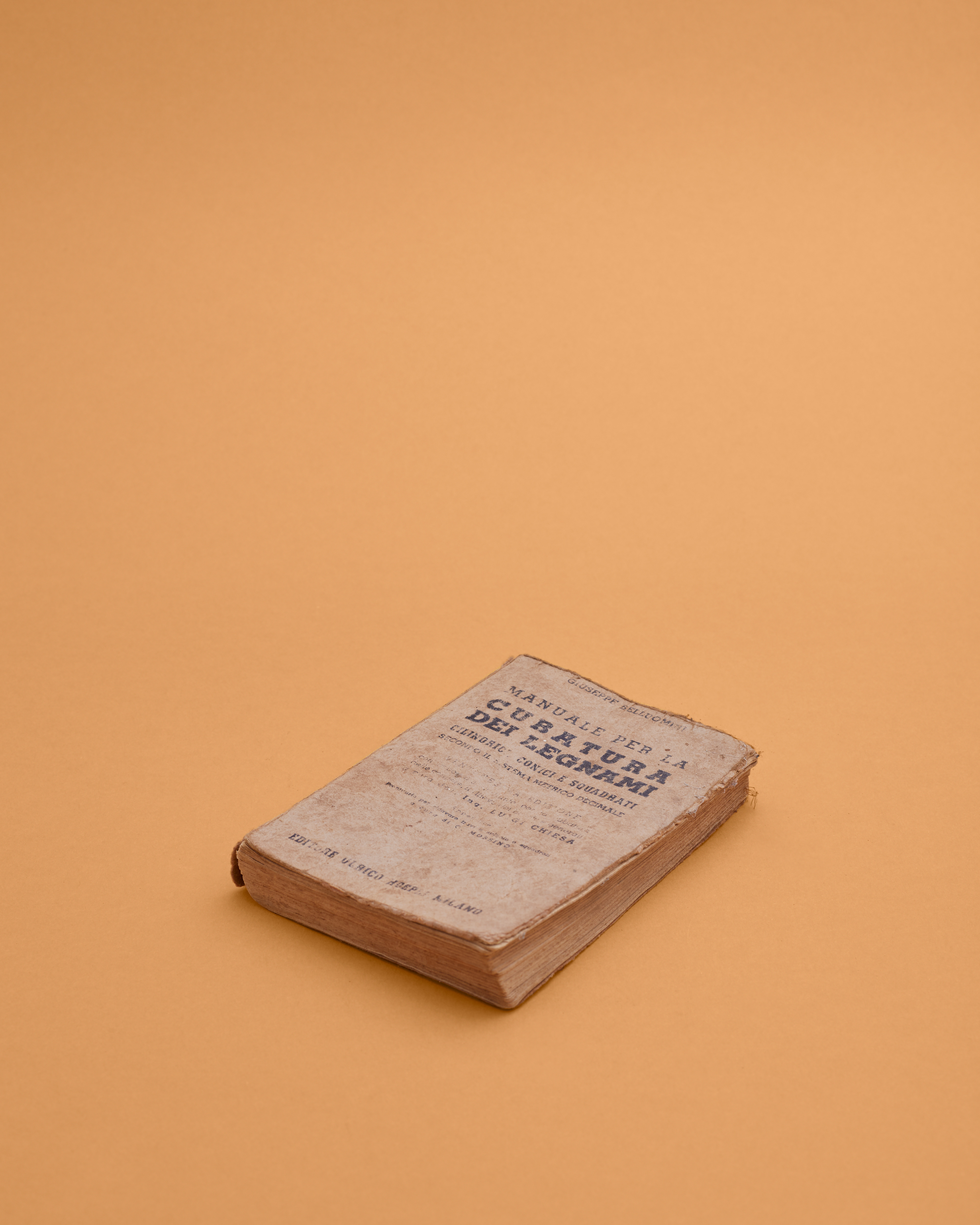
Manual for the cubing of timber: an old copy of the Manual for the cubing of wood by Giuseppe Bellumini.
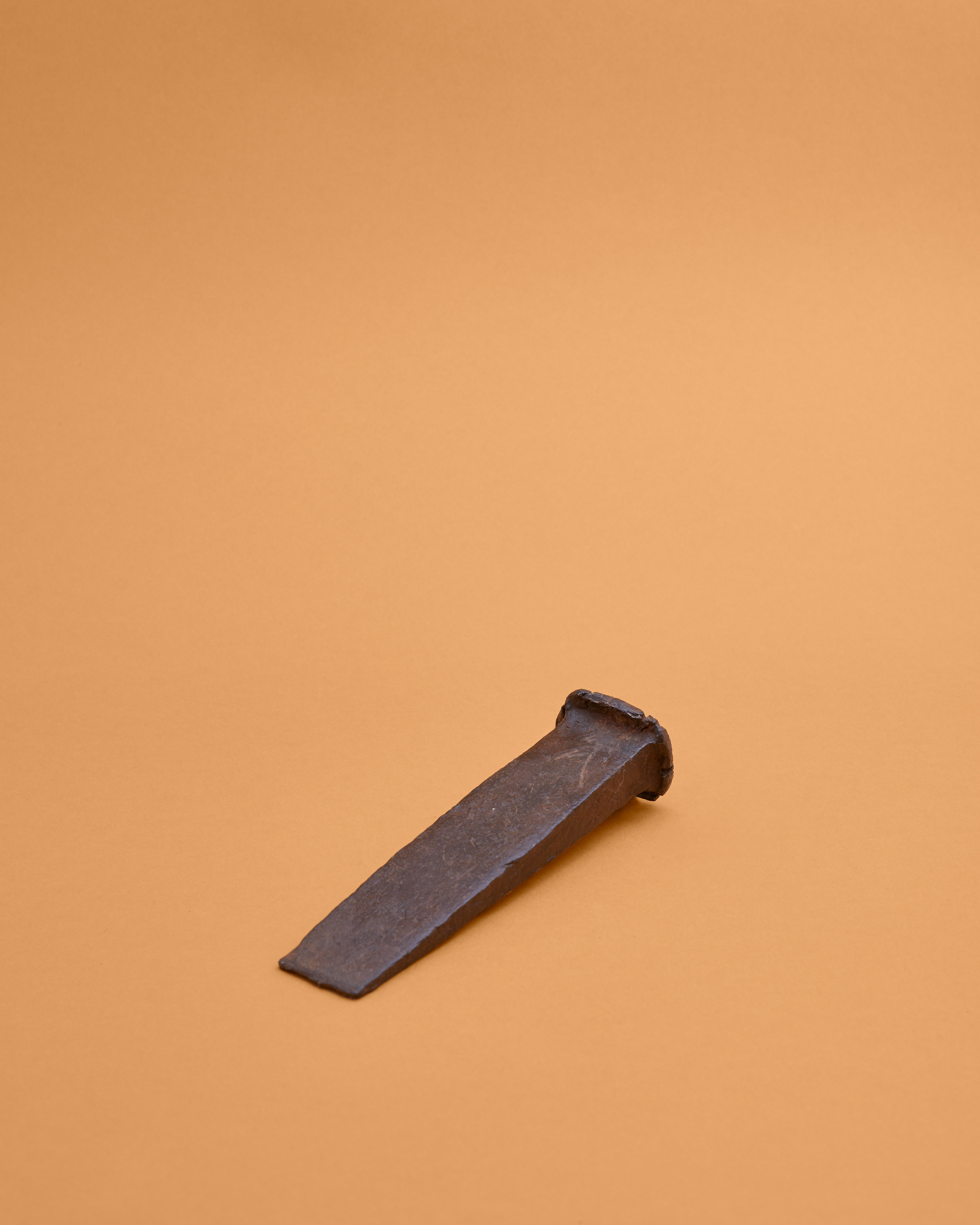
Wedges: were used together with wooden clubs for cutting trees.

Acetylene lamp: used by the charcoal burners of the Pistoia mountains to illuminate the charcoal pits at night.
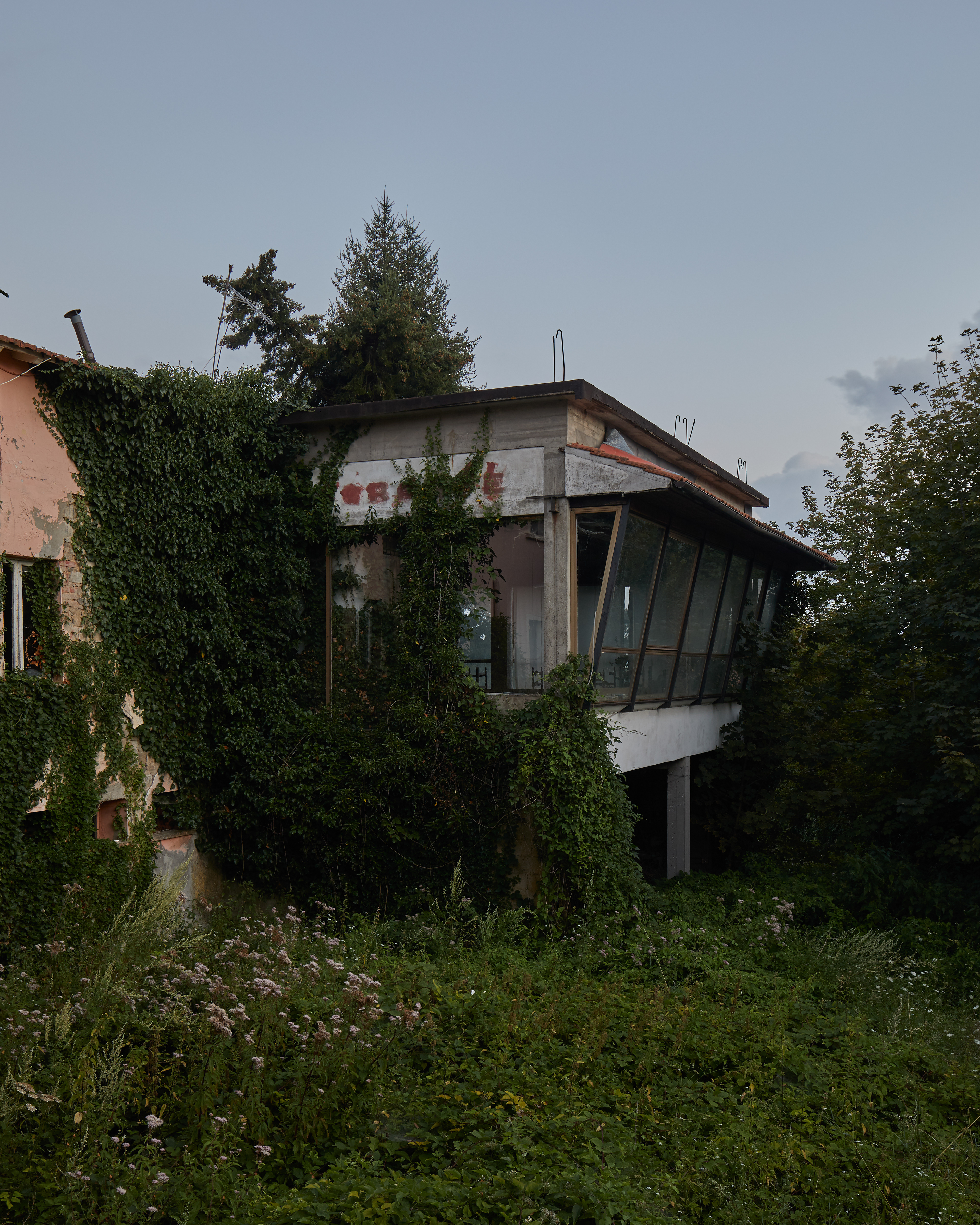
Hotel and restaurant in a neglected condition.
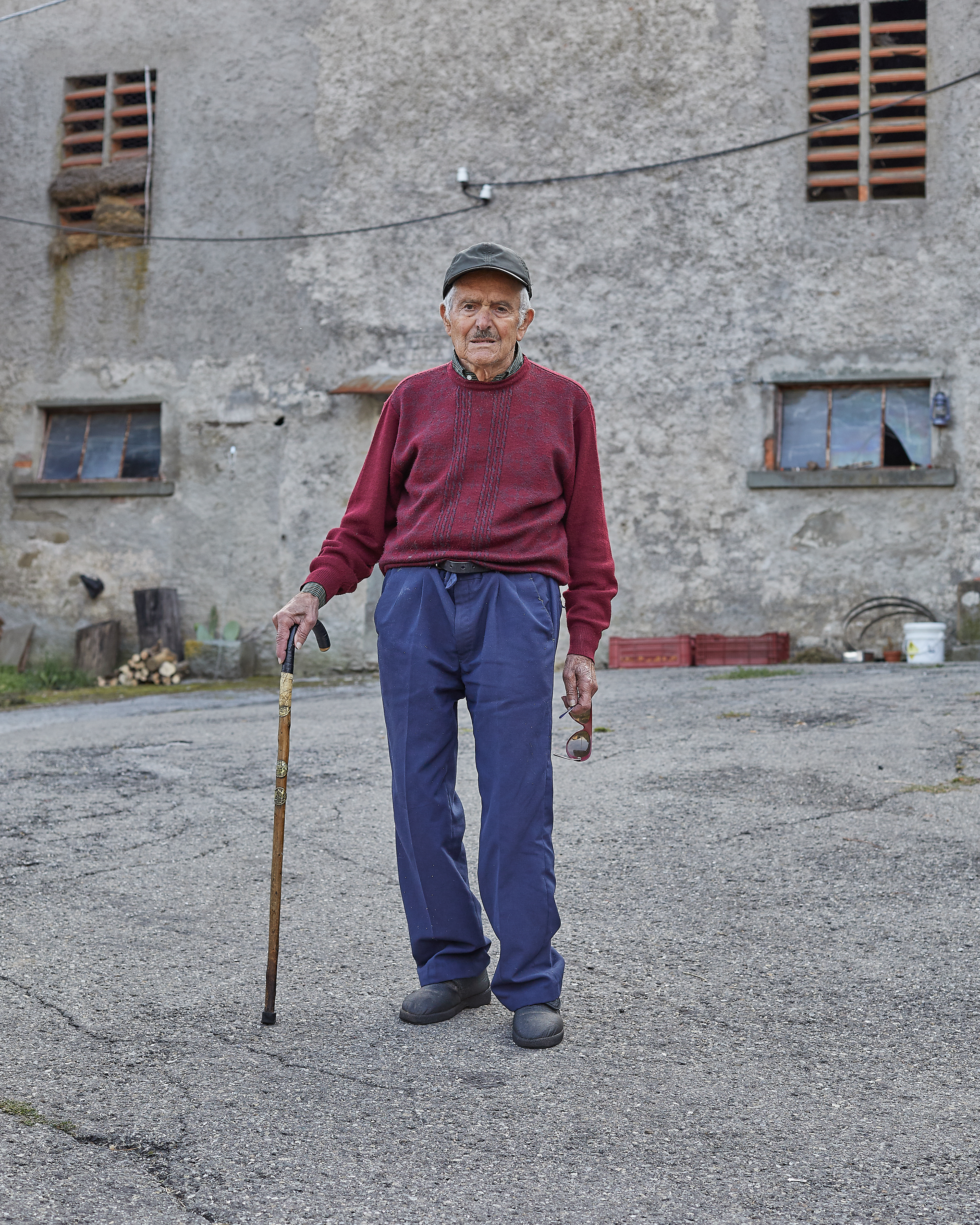
Daniele, former charcoal burner.
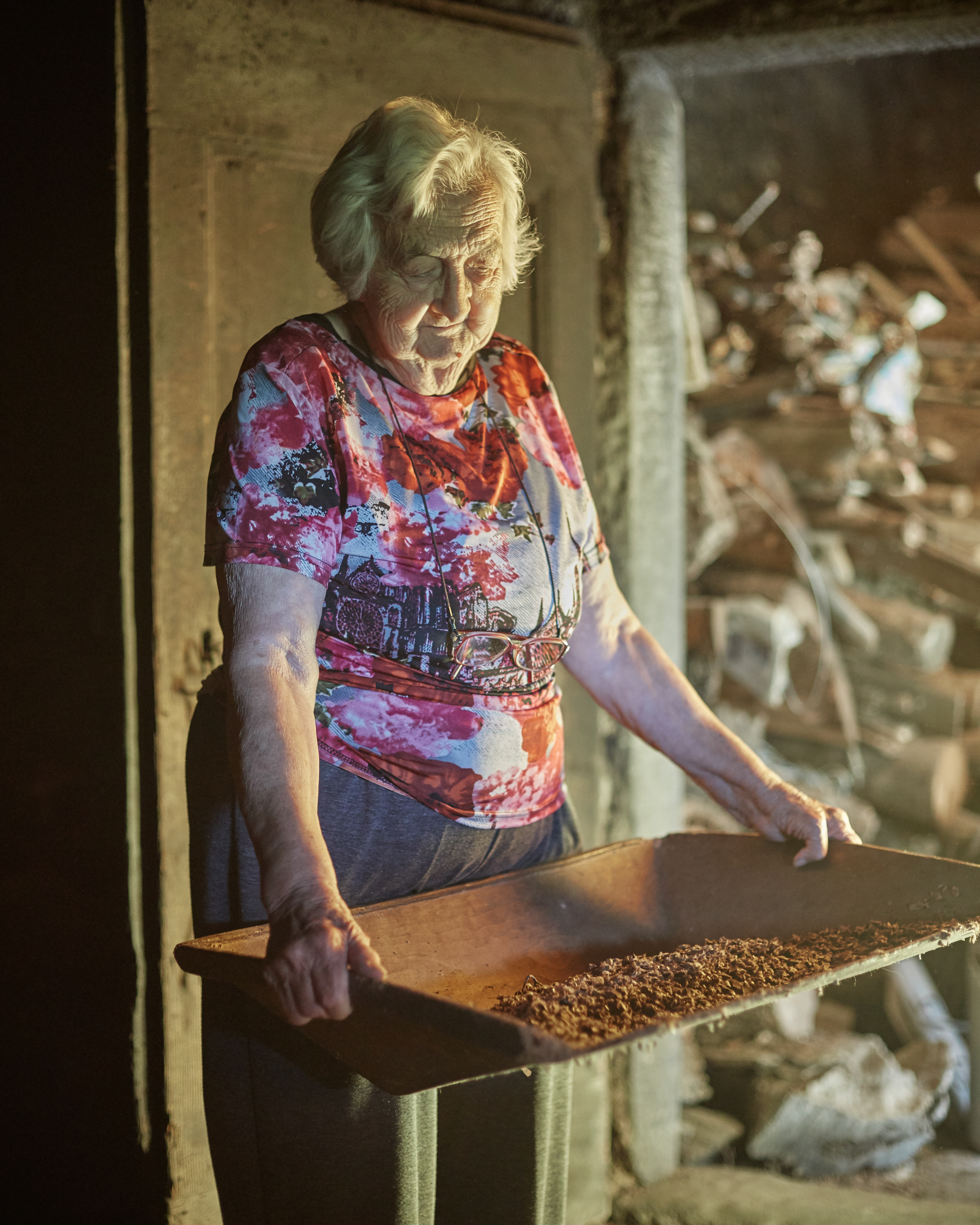
Bianca, chestnut grower.
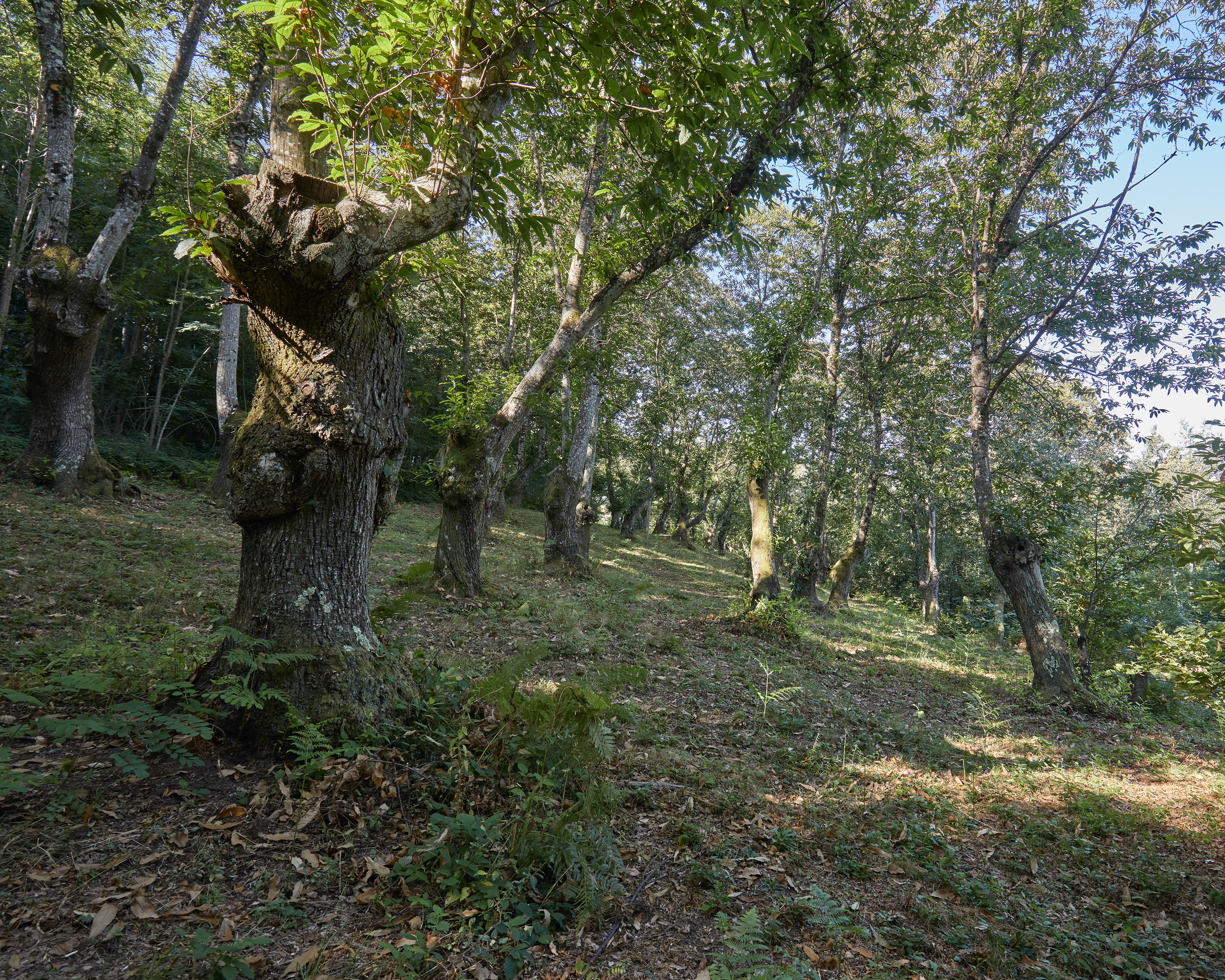
Chestnut.
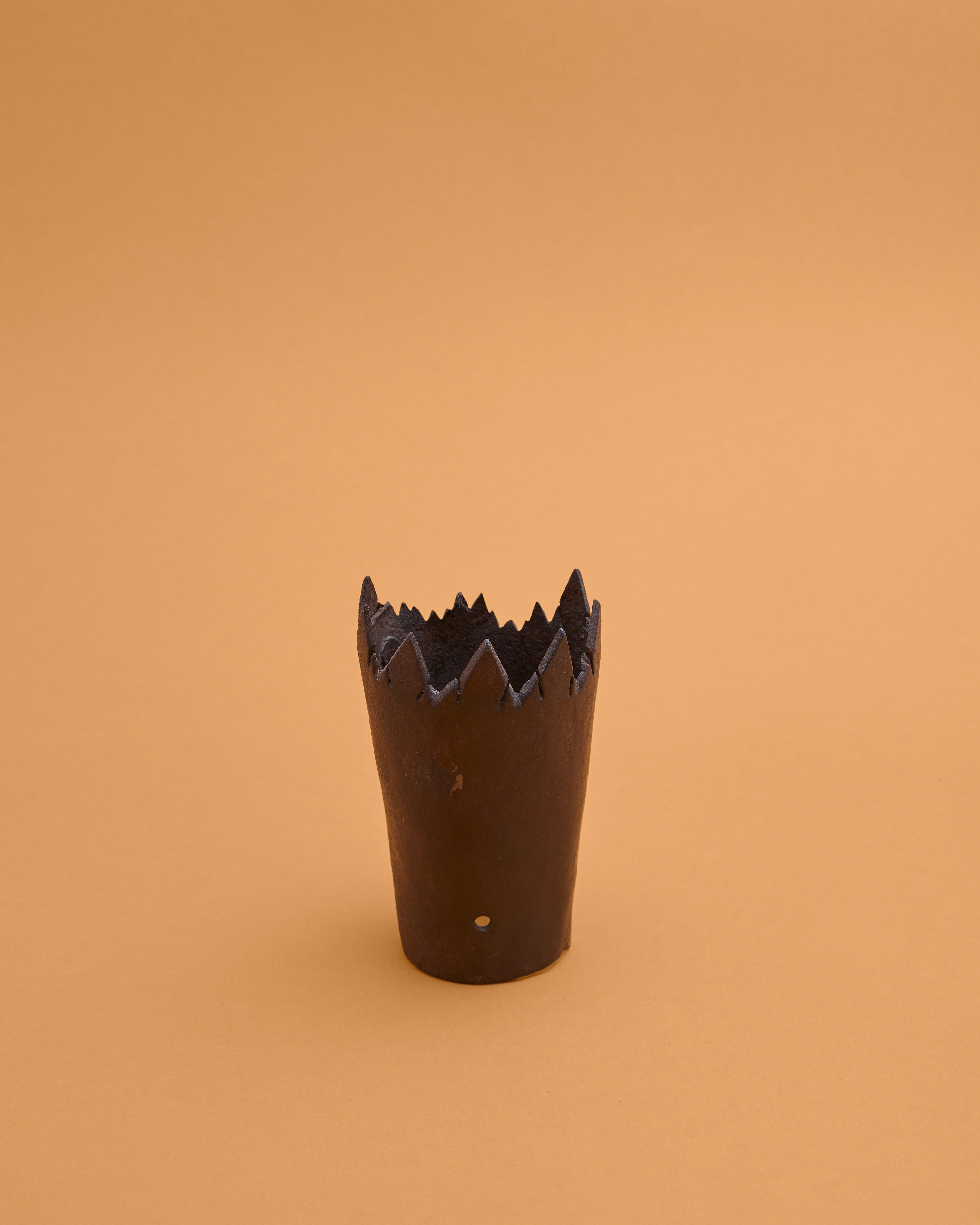
Gramola: placed at the end of a wooden stick, it is used to separate the chestnuts from the peel after they have been dried.
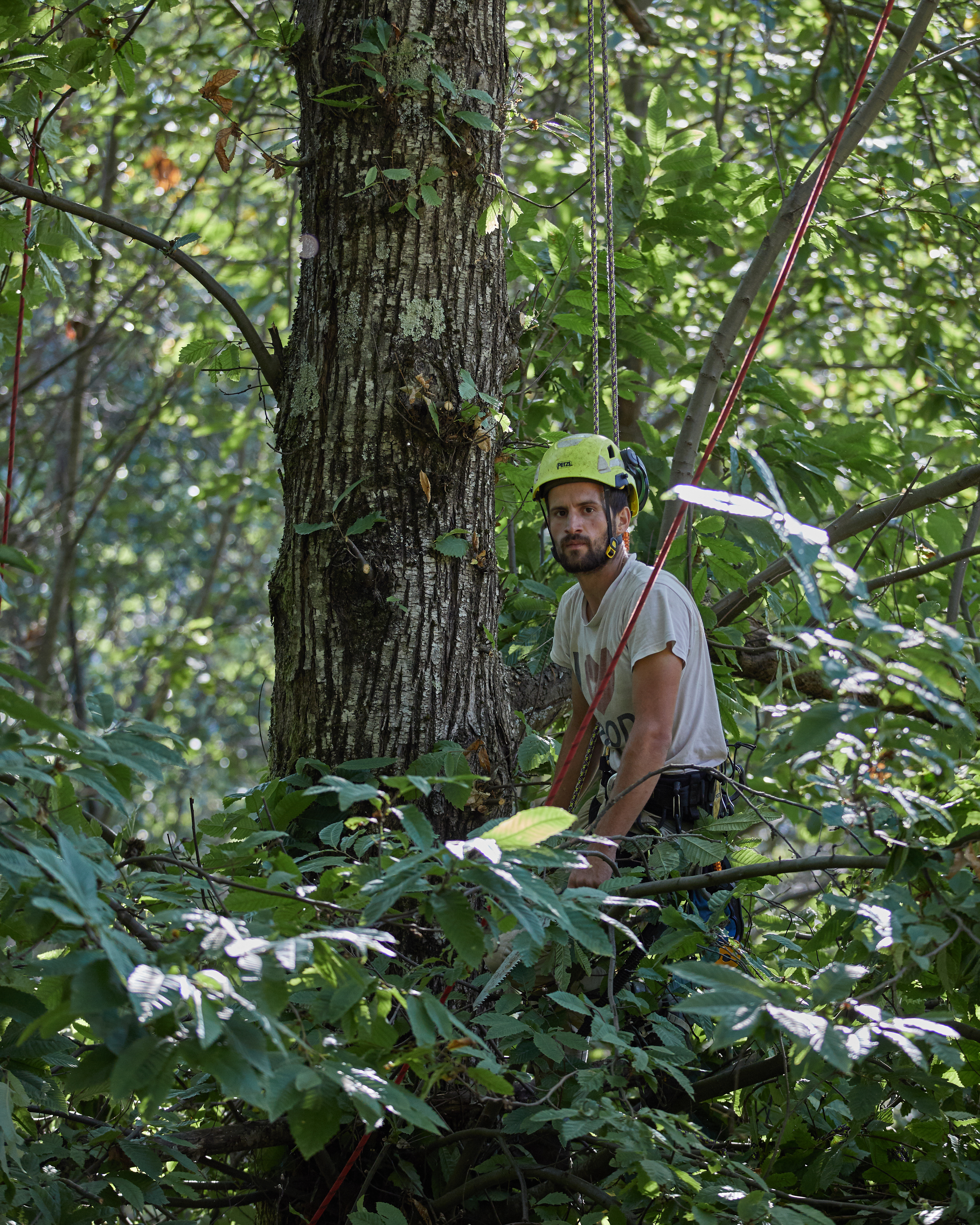
Simone, tree climber for the pruning of chestnut trees.
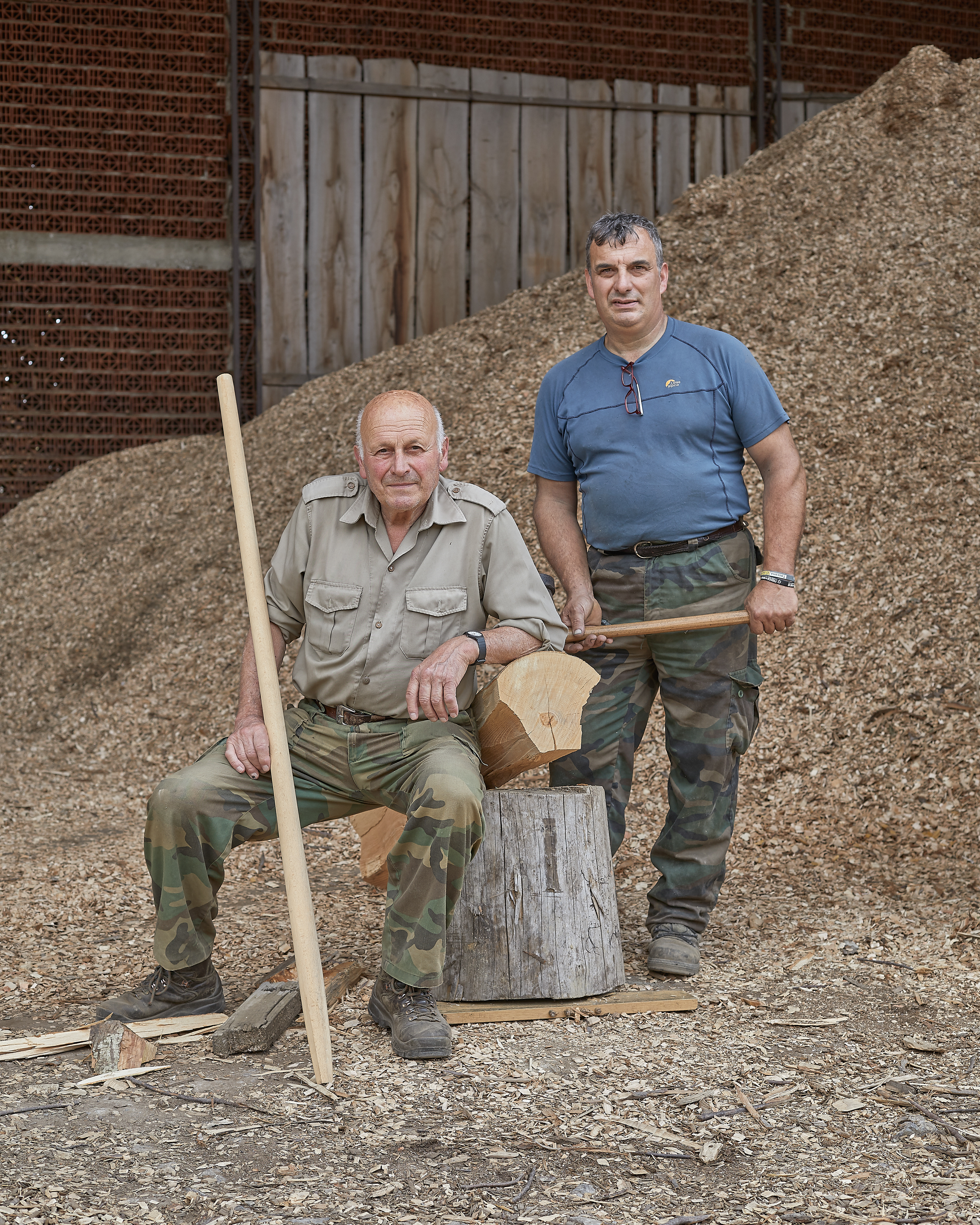
Amerigo and Maurizio, manufacturers of handles for spades.
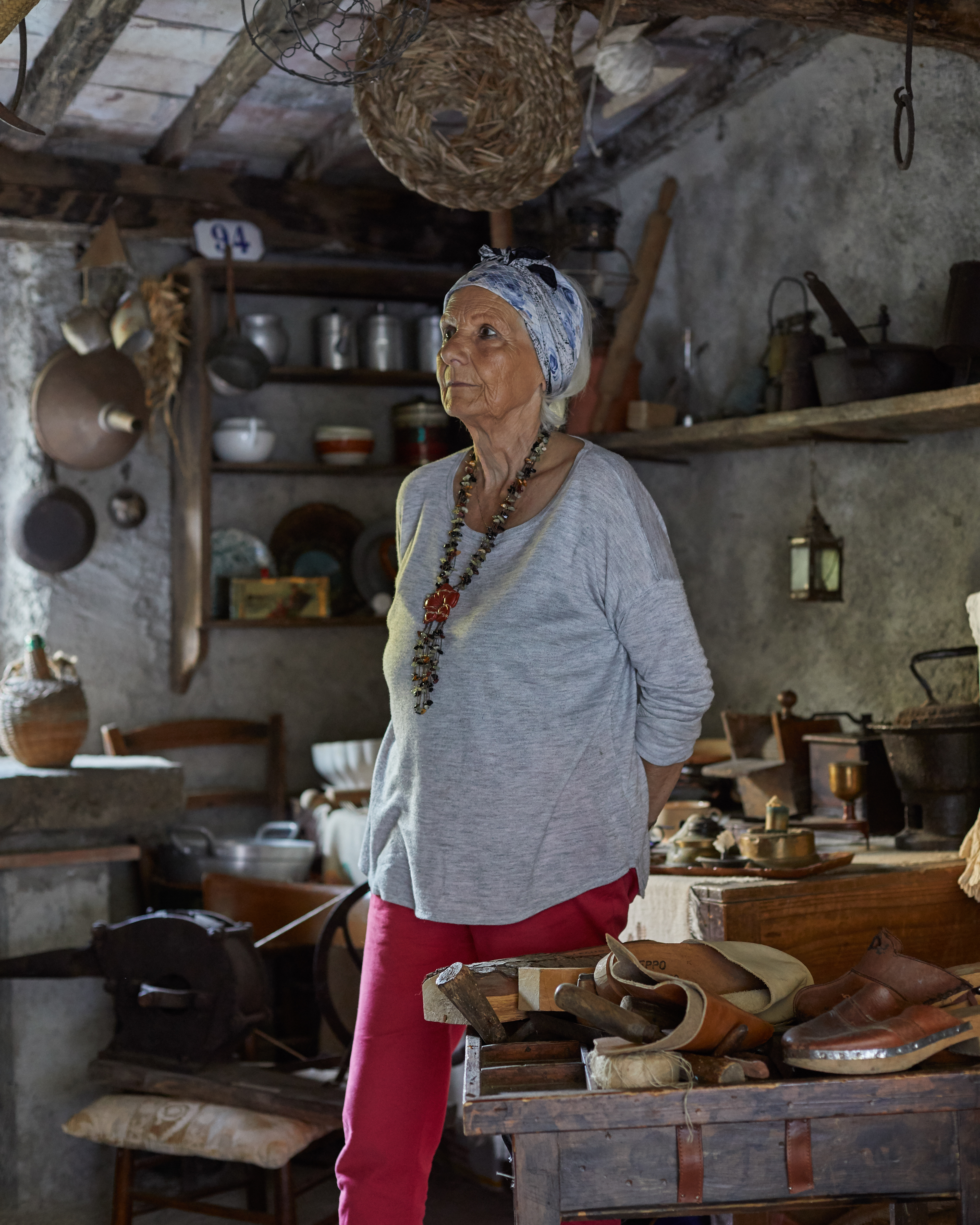
Giovanna, has collected ancient objects relating to mountain trades.
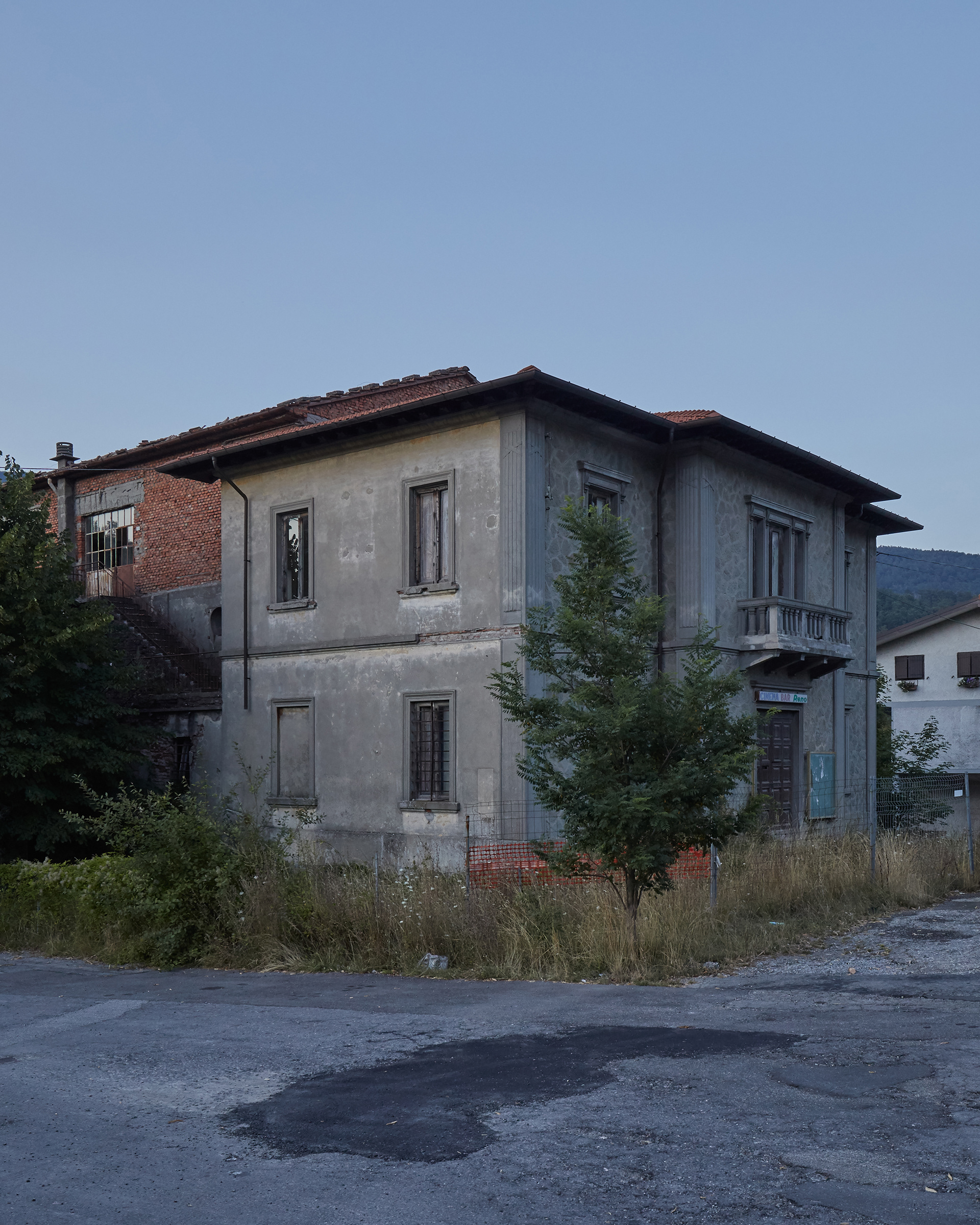
Ex Cinema Reno in Campo Tizzoro, built by the National Fascist Party and inaugurated in the 1932-33 season, has been abandoned since the 1960s.
Text by Giada Tommei